Choosing the Right 3D Star Projector Manufacturer for OEM Projects
 FACEBOOK
 TWITTER
 LINKEDIN
While a 3D star projector might be a great addition to a product video, it can act very differently once installed in your bedroom, retail mock-up or event space. The user experience is influenced by many aspects of image sharpness, projection depth, operating noise and image transitions.
The biggest problem for importers, distributors and private-label brands is not just coming up with a projector that has numerous scenes. It is discovering one manufacturer who can duplicate the approved visual effect, safety level and product finish in mass production.
Buyers should establish a target market, price range, environment and customization prior to requesting a quotation. These details will help you in determining which platform and manufacturing partner will be suitable for the projector.
Become familiar with the meaning of the word “3D” in relation to a Star Projector.
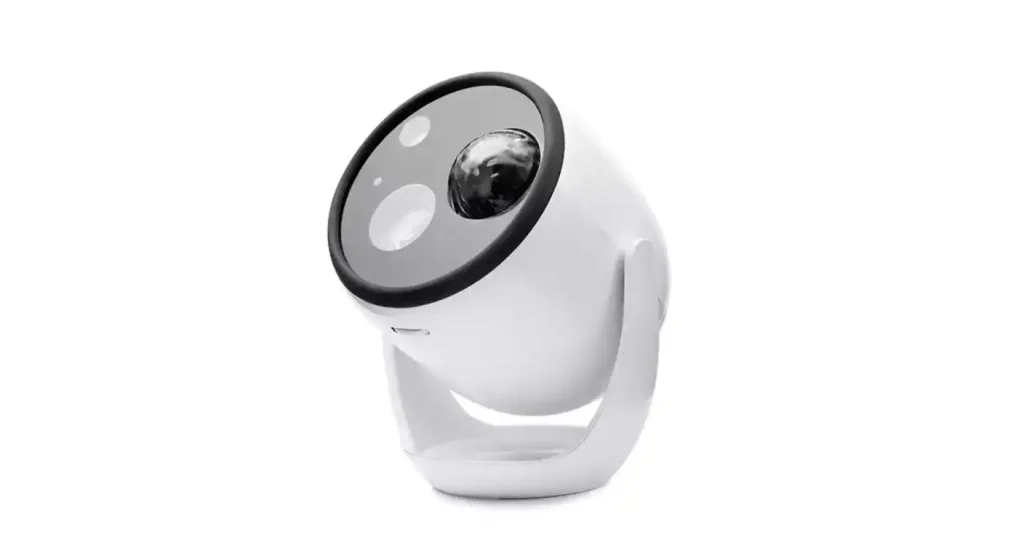
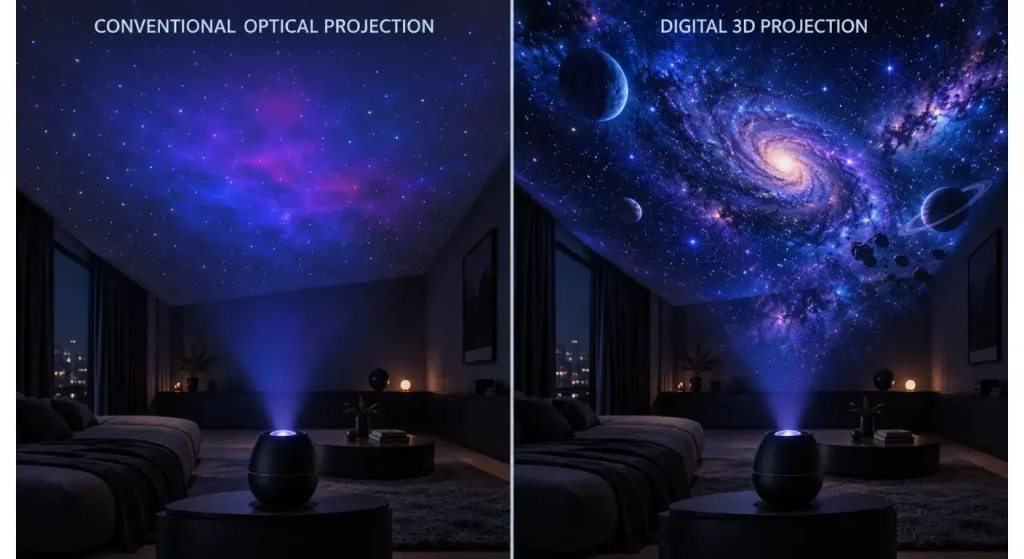
There are a number of technologies that might be referred to as 3D star projector. Some models feature multiple optical effects and others feature digital scenes and the illusion of depth and movement. The larger the amount of patterns the more it does not always mean the more it has the three-dimensional effect.
Purchasers should clarify the source of the image; whether the image is included in the purchasing unit or whether extra films or discs are required. They should also verify whether or not users have the control of selecting a scene, focusing, adjusting brightness, moving, and changing the order in which a scene is played.
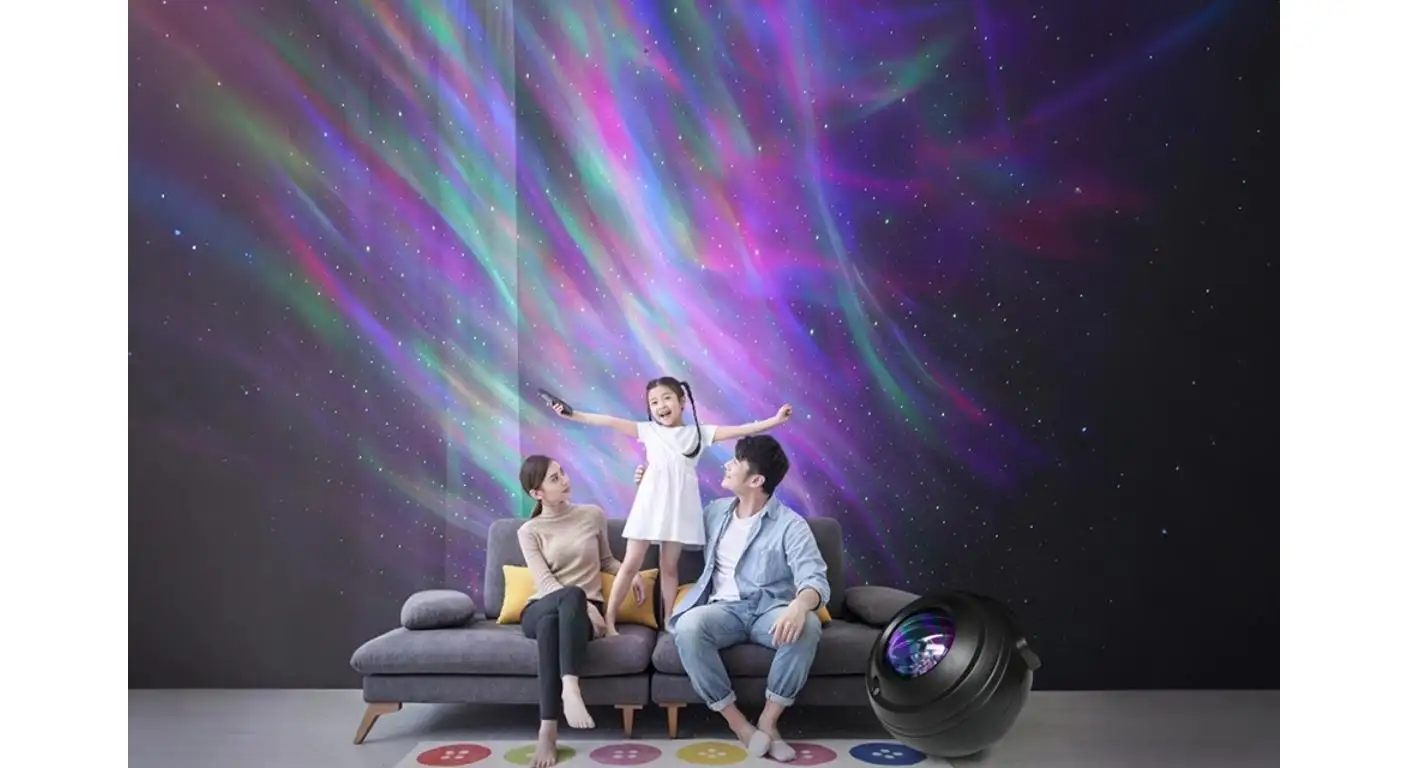
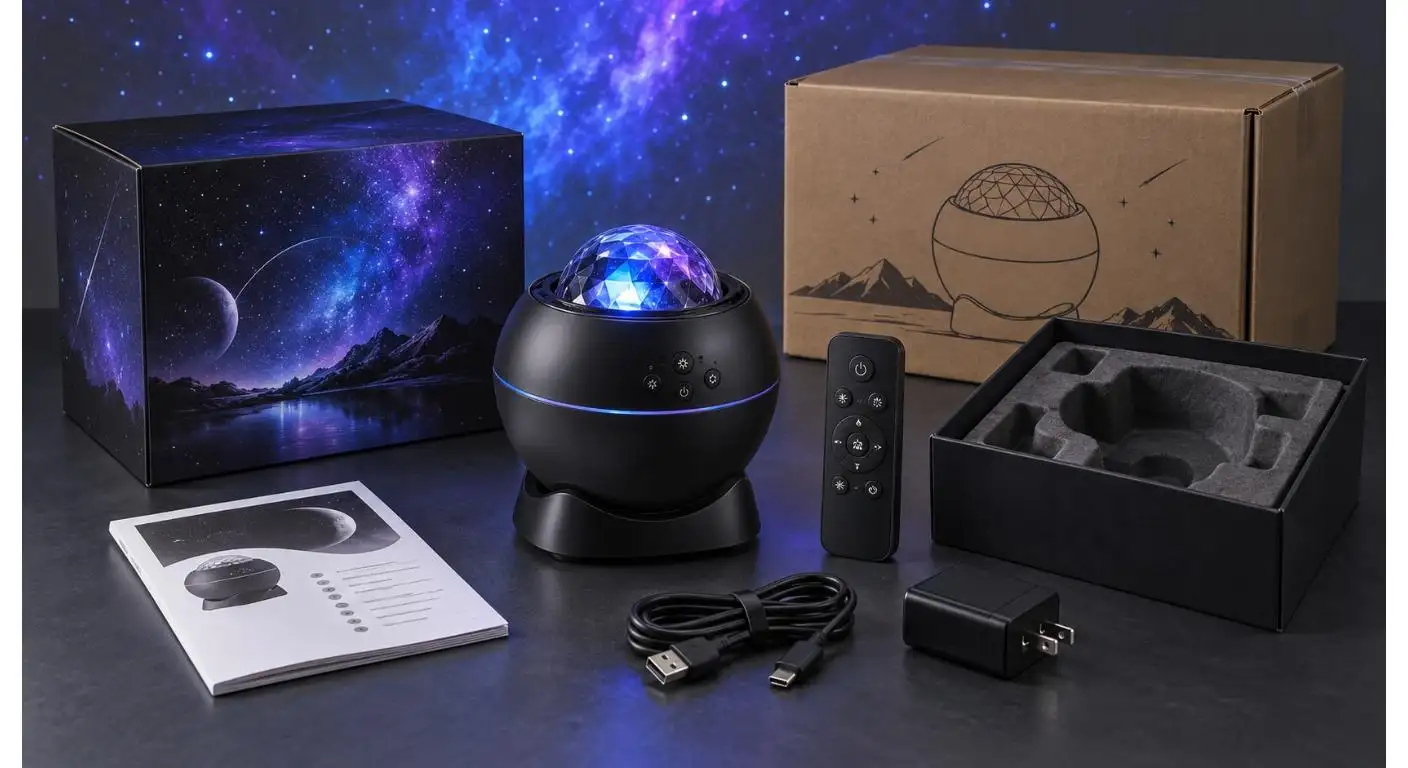
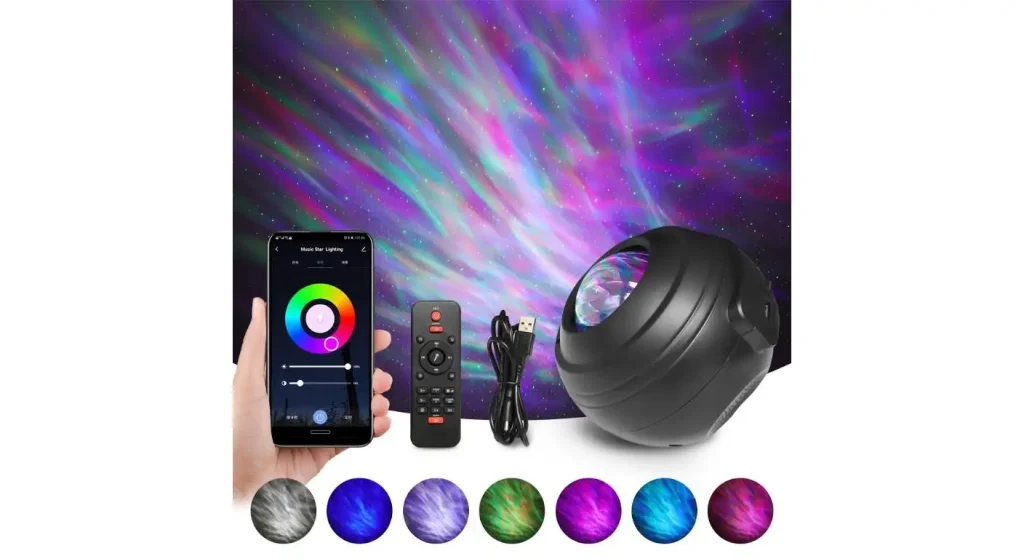
Examples of digitally controlled projector models for creating immersive indoor scenes are provided in BoelangMake’s Indoor 3D Galaxy Projectors.
Critically discuss the Projection Experience – Not Only Resolution
Resolution is helpful but it doesn’t tell you the whole story. The clarity of the image may vary as a function of distance from the projection screen, room illumination, wall color, quality of the lens used and focus adjustments.
When completing the evaluation of a sample, observe it at the minimum, recommended and maximum working distances. Look for sharpness of detail throughout the projection area and check for any distortion at the edge of the projection area.
The depth of the projected object should also be seen to be natural when the object is moving. Even the best-projector specifications with sudden jumps or dramatic changes in brightness between frames can make the device seem less refined.
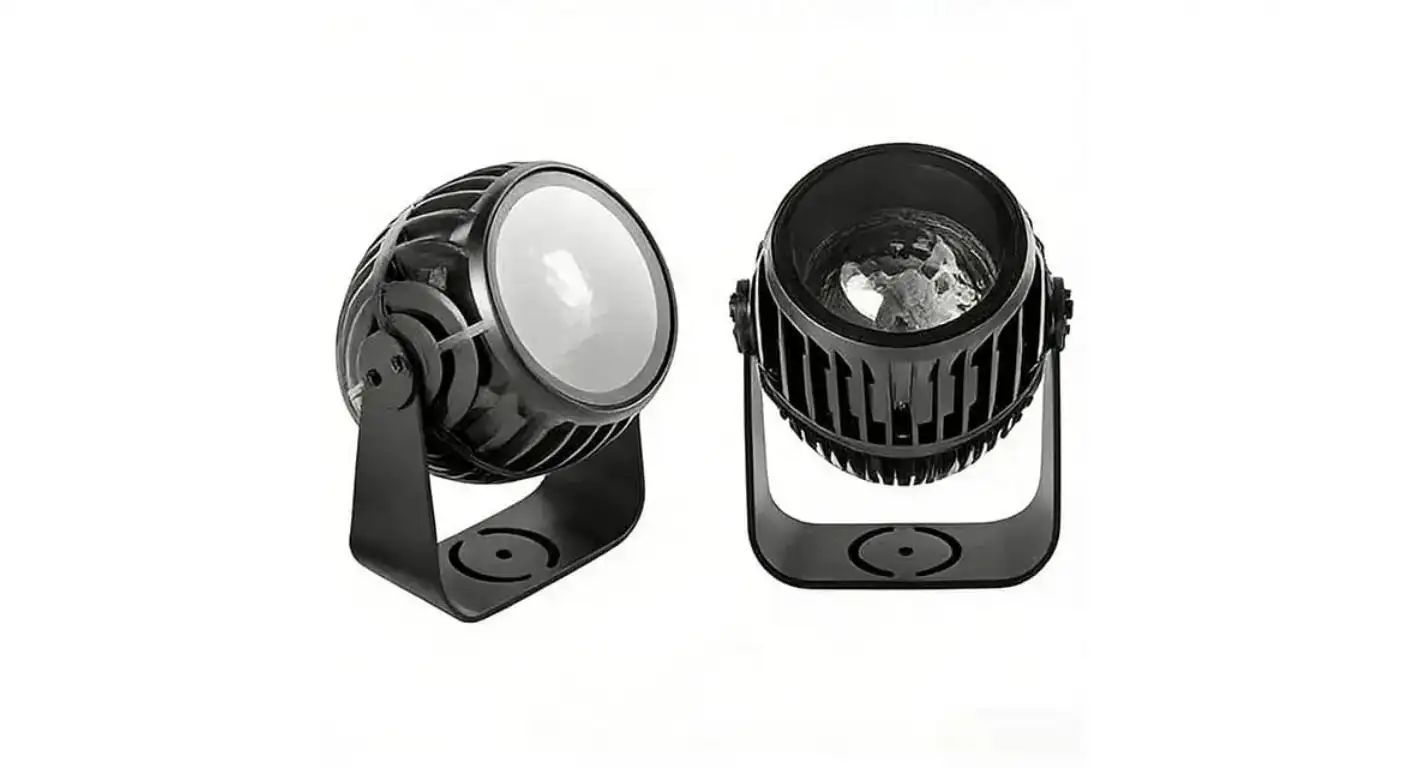
This is because BL-3D01 3D Galaxy Projector is used to project the image within the range of 15-50 m² projection area and 3-5 metres working distance.
Match Projector Platform to Target Market
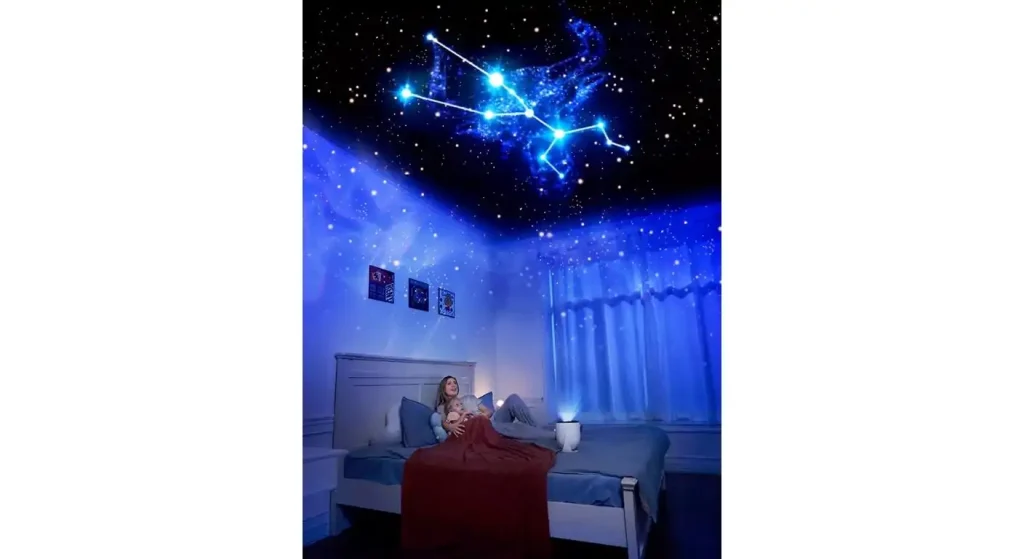
Simple controls, low noise and moderate lighting are appropriate for a model for children’s bedrooms. A lifestyle product for adults might focus more on the quality of the scene, speaker performance and exterior design.
Packaging size, demonstration videos and clarity of user instructions are also important factors to consider when retailers are using an online marketplace. Operating cycles could be longer for a hospitality or experiential-space project, and the visual output might need to be the same for every project unit.
Don’t necessarily select the model just because it offers the longest list of features, but rather because of the customer and sales channel.
| Target Market | Priority Features | Main Sample Check |
| Children’s bedrooms | Simple controls, quiet operation, timer | Brightness comfort and operating noise |
| Lifestyle retail | Rich scenes, refined design, speaker | Image quality and product finish |
| Online marketplaces | Clear features, compact packaging | User setup and package protection |
| Gifts and seasonal sales | Visual impact, gift-ready packaging | Unboxing experience and scene variety |
| Hospitality spaces | Stable output, longer operating cycles | Heat and continuous-operation stability |
Read the Manufacturer’s Customization Scope.
Customization can take the form of branding or creating new projection content, hardware capabilities or even housing structures. The options are quite distinct and involve significantly different budgets, timelines and engineering.
In the case of a private label project, verify the factory’s ability to accommodate product color, logo, packaging, manuals, accessories and language for the user interface. If special scenes or functions are needed, inquire if adjustment of the software or optical development of the entire product is involved.
BoelangMake’s OEM projector services include product appearance, projection effects, functions, branding and packaging. Even with the general term “OEM” in the project specification, it is still necessary for buyers to record all details that have been approved.
Conduct inspections for safety and market compliance.
The projector can include LEDs, laser elements, power adapters, wireless communication and speaker capabilities. The documents needed then are conditional to the configuration and target market.
Request the manufacturer to detail the specific model and parts included in each report/certificate. When the projector changes its adapter or the wireless module, laser source or enclosure, a new document for the new projector is not automatically available for the old one.
Also, warnings, user instructions, product labels and packaging marks should be checked prior to mass production. Compliant should not be seen as a last minute attachment to product development.
Test a Representative Sample of the population.
The sample should be the same as the proposed mass production configuration. Document the model number, firmware version, adapter, accessories and packaging that have been approved.
Test image focus, image transitions, remote control operation and response, button operation, speaker sound quality, timer functions, heat build-up and operating noise. Instead of testing the unit for a few minutes, run the unit several times.
A sample report will be useful if it shows the conditions of the test and the results of the test. Any remarks like “projection is good” are too subjective and will not help inform subsequent inspection.
Confirm Mass-Production Consistency
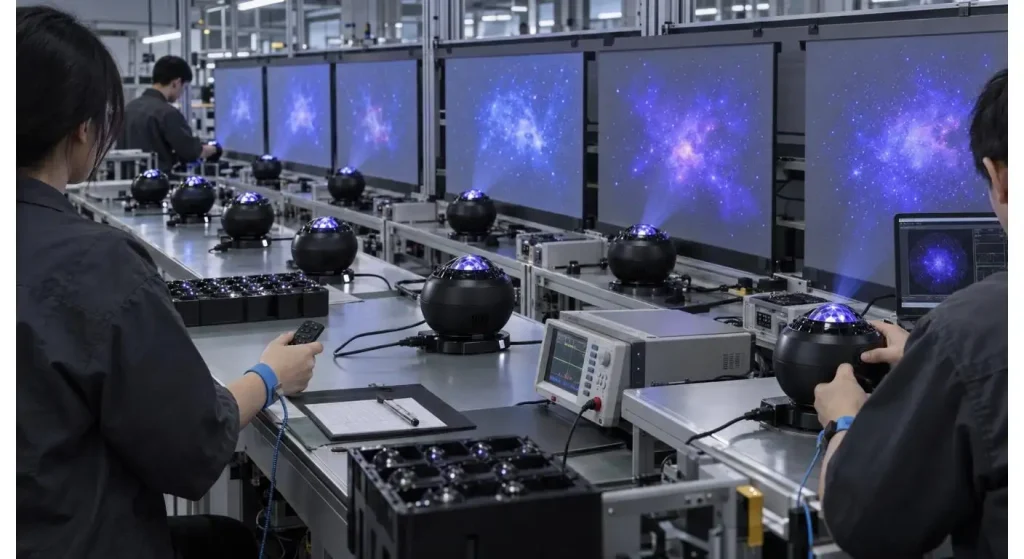
Being an attractive engineering sample is not sufficient! Buyers must be aware of the way that the manufacturer maintains optical alignment, cleanliness of the lens, image output, housing finish, electrical operation and final packing during volume production.
Propose a list of the checks that are carried out during the assembly, and which functions are checked before packing. The brightness, colour, focus and surface finish of visually sensitive products may be compared to a “golden sample” which is approved.
We have a production facility of 5000+ m², 5+ production lines and an annual production of more than one million units. The buyer can check the additional details of the BoelangMake company in the manufacturer profile page, and then, check if the appropriate manufacturing line and quality controls are compatible with their project.
Explain MOQ, Lead Time and Change Control.
MOQ is likely to vary based on the base model and customisation level. Optical changes or new tooling, or custom digital content might be more involved than Logo printing and custom packaging.
Please provide individual timelines for sample preparation, artwork approval, material purchasing, production and shipment. Also set up how design and/or part modification will be notified after sample approval.
The quotation must distinctly specify the product configuration, accessories, packaging, warranty and the inspection standard. This helps to avoid things that are seemingly minor differences from escalating into disputes during production.
| Project Stage | Document to Confirm | Main Purpose |
| RFQ | Requirement brief | Defines market, functions and order volume |
| Sampling | Sample configuration sheet | Records hardware, firmware and accessories |
| Approval | Golden sample record | Establishes the visual and functional standard |
| Pre-production | Packaging and label approval | Prevents branding and compliance errors |
| Mass production | Inspection checklist | Keeps bulk units consistent with approval |
Construct a clear and concise Request for Quote package.
A good RFQ will include the following – desired target market, volume desired, functions desired, projection environment, branding requirements and the destination for compliance package.
Visual direction can be communicated through reference images but needs to be backed up by measurable requirements. Specify the preferred projection distance, coverage, control method, scene count and noise, brightness or product dimensions.
When a complete RFQ is created, the manufacturer can then suggest an existing platform that meets the needs or determine the requirements that will be developed.
Conclusion
When selecting a 3D star projector manufacturer, the whole product experience should be taken into account, as well as the capacity of the factory to replicate it. The number and the cost of scenes alone do not demonstrate the quality, safety and market positioning needs of a projector brand.
Establish the application, test a representative sample and turn accepted information into a production specification. This method facilitates easier comparison of quotations, and decreases unnecessary changes in the quote from the time of sampling to delivery in bulk.
FAQs
Q1. What is the best question to ask a 3D star projector manufacturer prior to ordering?
Inquire about projection technology, the working distance, area of coverage, control functions, customisation, compliance documents, MOQ and lead time. Ask for a sample based on the production set-up.
Q2. Is it possible to create custom projection scenes by the manufacturer?
Some manufacturers can modify their built-in content and/or create new digital scenes. Cost and lead time is dependent upon the platform, the complexity of the scene and if software or optical changes are needed.
Q3. The difference between OEM and ODM star projector?
As a rule, OEM modifies a standardized design to suit its particular requirements, including branding, packaging and/or selected functions. ODM can include more significant changes of appearance, structure, projection content or electronics.
Q4. How to test a sample of a 3D star projector?
Test it at various distances at actual room conditions. Test focus, movement, controls, noise, heat, audio, timers and repeat operations stability.
Q5. Is there a single certificate good for all the customized versions?
Not always. Modifications of lasers, adapters, wireless modules and electronics/housings may impact compliance; compliance coverage for each configuration should be determined.