2026 Multi Color Galaxy Light: 60 Scenes, No Cards Needed
 FACEBOOK
 TWITTER
 LINKEDIN
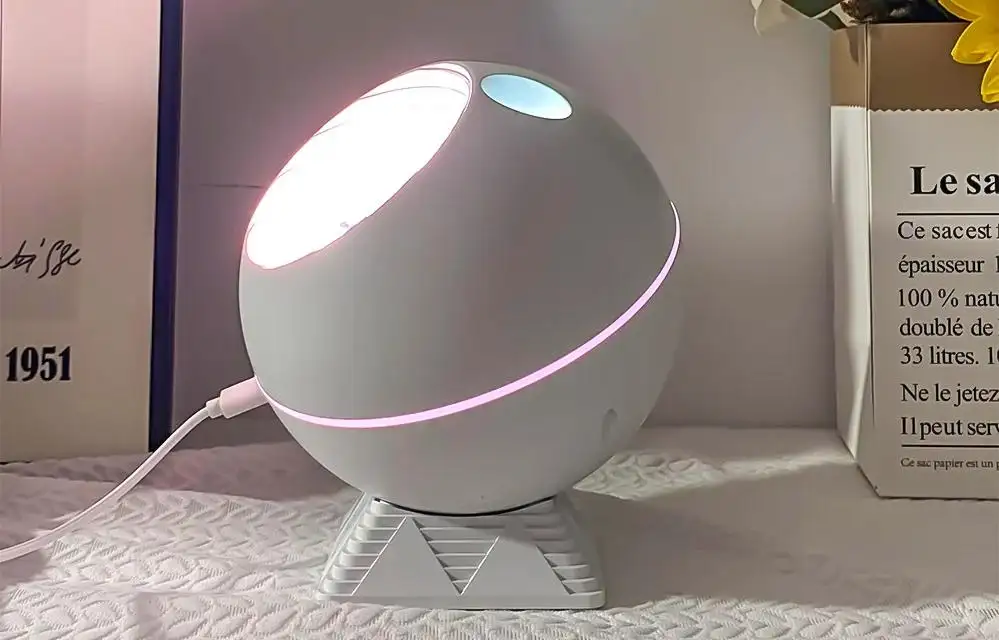
A Multi Color Galaxy Light in 2026 is defined by one practical upgrade: 60 scenes, no cards needed. For first-time users, this single change removes the biggest friction point in galaxy projection. There is nothing to store, swap, or misplace. You simply pick a scene and let the room shift with it. That sounds small, but it changes how often people actually use the projector—and how long it stays part of their routine.
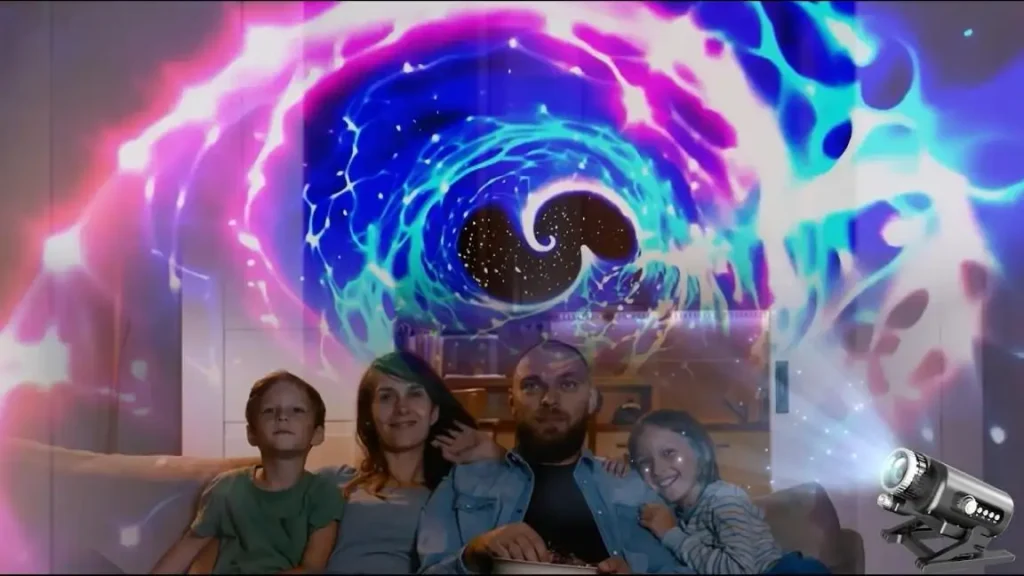
At Bolang, we designed the BL-3D02 Galaxy 3D Projector around this idea. A galaxy projector should behave like a modern digital device, not a mechanical accessory. If scene switching is quick and reliable, the product becomes easier to love. And when it is easier to love, it is used more often—for sleep wind-down, meditation, home décor, and even small gatherings.
Why “60 Scenes, No Cards Needed“ Matters More Than It Sounds
Earlier ambience projectors often relied on physical cards, slides, or inserts. On a product sheet, that might look simple. In real life, it creates small annoyances that stack up.
Cards get scratched, bent, or dusty. They get misplaced. Users stop changing scenes because swapping a card feels like “maintenance.” And once people stop exploring, the projector becomes repetitive—even if the optical output is fine.
A modern Multi Color Galaxy Light should remove those micro-frictions. If a user can switch scenes from a remote in seconds, the projector stays enjoyable. The experience feels closer to choosing a playlist than operating a gadget. That is the core value of a built-in scene library: the variety lives inside the device, always available, always consistent.
For distributors and brand owners, there is also a practical benefit: fewer “missing accessory” complaints. With no physical scene cards involved, packaging is simpler and customer support becomes cleaner.
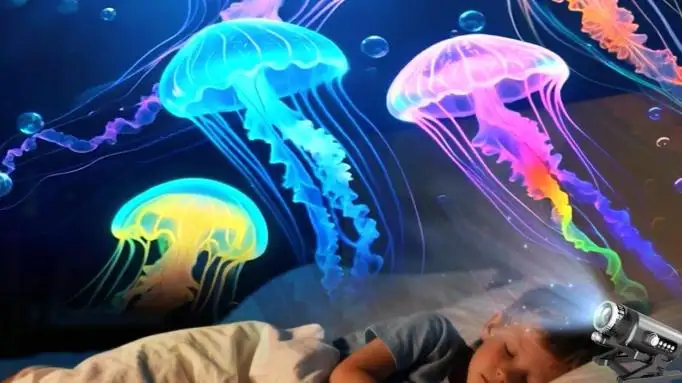
Understanding What a “Scene“ Actually Means
Many first-time buyers think a scene is just a color change. In a true galaxy projector, a “scene” is more structured than that. It is a full projection style built from multiple layers working together. In simple terms, a scene typically combines:
✓ Nebula texture (the cloud-like light layer)
✓ Star layer (points of light and density patterns)
✓ Motion behavior (static, slow drift, or more dynamic movement)
When these elements change together, the ceiling does not just look different—it feels different. That is why scene variety matters. It is not about chasing a big number. It is about matching the environment to what someone is doing in that moment.
A Multi Color Galaxy Light with a well-designed library can support different outcomes:
✓ Calm, slower motion for rest and wind-down
✓ Higher contrast stars for “deep space” clarity
✓ Balanced nebula clouds for soft, mood-focused interiors
This is why “60 scenes” is meaningful. It is enough variety to avoid boredom while still being approachable for beginners who do not want complicated setup.
The Hidden Benefit of No Cards: Less Effort, More Use
Most people do not abandon a product because it is “bad.” They abandon it because it is inconvenient.
With a card-based design, user behavior often looks like this:
✓ Pick one card
✓ Use it for a few days
✓ Stop changing scenes because swapping takes effort
The moment the switching process adds friction, curiosity drops. And when curiosity drops, the product feels less valuable over time.
A built-in digital scene library changes the habit loop. Scene switching becomes normal, not special. Users explore more often. Rooms feel different across different nights. The projector stays fresh because the experience stays flexible.
There is also a quality angle. Physical cards collect dust and develop tiny scratches that reduce clarity. A digital scene system helps maintain consistent visuals because you are not inserting and removing accessories. For a Multi Color Galaxy Light sold into bedroom routines, that long-term “clean image” feeling matters.
How to Choose Scenes By Real Use Case
When a projector includes 60 scenes, beginners sometimes ask, “Where do I start?” The best approach is simple: match the scene to the activity, not the room. Rooms stay the same. Your needs change.
• For Sleep And Night Routines
Choose softer brightness and slower motion. If your product supports timers, use them. A galaxy projector should support rest, not run all night by accident. A calmer scene also reduces stimulation, which helps the “lights-out” transition feel smoother.
• For Meditation Or Quiet Focus
Choose gentle nebula textures with consistent motion. You want depth, but not distraction. In these moments, the best Multi Color Galaxy Light scenes feel like a soft background—present, but not demanding attention.
• For Events Or Themed Gatherings
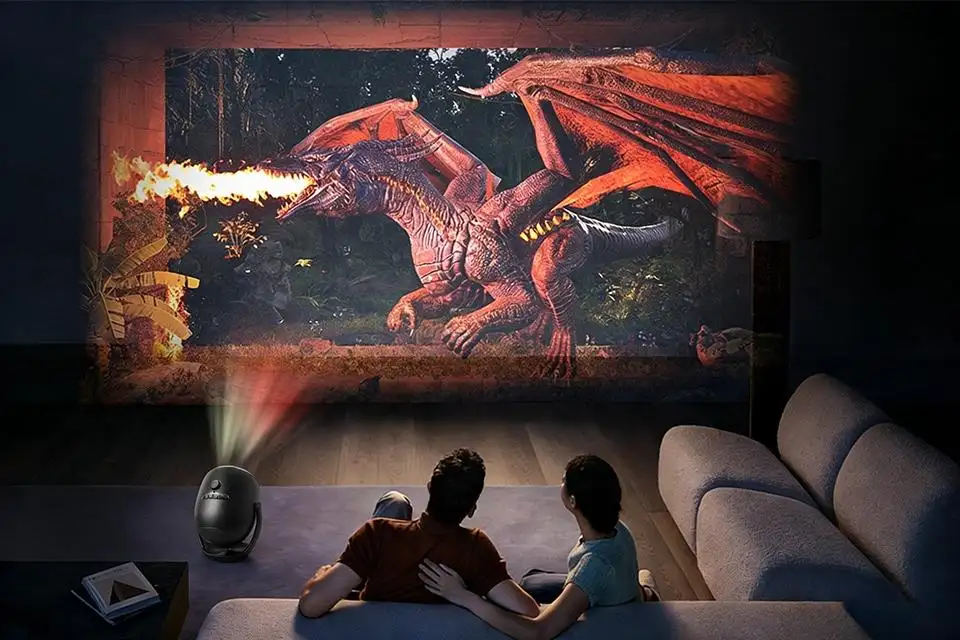
Go higher energy. Use brighter visuals and more dynamic motion, because social environments can handle more activity. In a living room setting, a bold “deep space” look becomes décor and conversation, not a bedtime tool.
You can personalize further with practical controls that matter in real life:
✓ Switch between static and moving projection when needed
✓ Adjust brightness to match the mood
✓ Fine-tune hue for warmer or cooler atmospheres
✓ Use auto-off timers for predictable nightly routines
When these basics are easy, a Multi Color Galaxy Light becomes a repeat-use product instead of a one-week novelty.
Scene Switching Should Feel Instant, Not Like “Maintenance“
Ambience is emotional. The moment you interrupt it, you weaken it.
That is why modern galaxy projectors should behave like remote-controlled media devices. Power on/off, scene switching, and timer settings should be quick and repeatable. If a user must stand up, open a box, swap a card, reinsert it, and try again, the mood is gone before the new scene even appears.
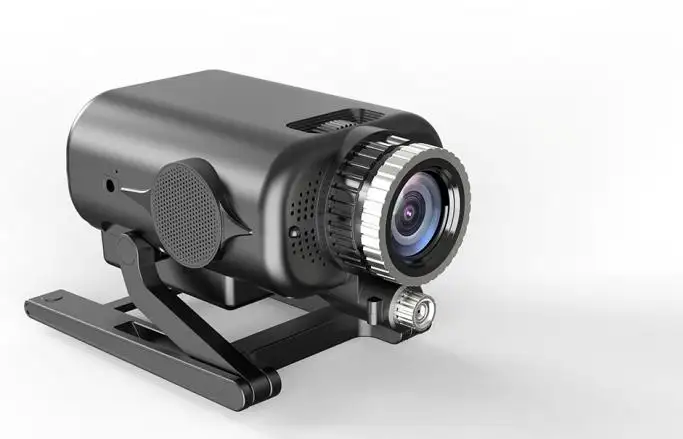
Digital scenes keep the experience smooth. The BL-3D02 is designed around remote-based control because that matches how people actually use lighting products in bedrooms and living rooms—often from bed, a sofa, or across the room.
Quiet operation also matters. If a projector adds noticeable noise, users remove it from their nightly routine even if the visuals are strong. A good Multi Color Galaxy Light should deliver atmosphere without drawing attention to the device itself.
Bolang BL-3D02: Turning Scene Variety Into Practical Value
At Bolang, we do not treat “60 scenes” as a marketing number. We treat it as a way to solve two common problems at once: boredom and friction.
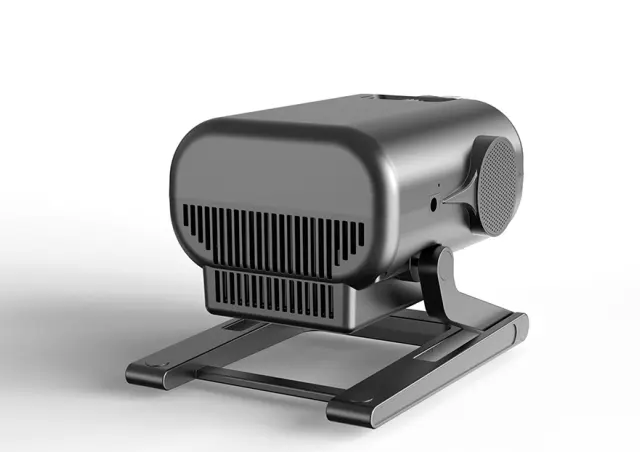
The BL-3D02 Galaxy 3D Projector uses a built-in digital scene system, so the full library stays inside the device. That improves daily usability and keeps switching consistent. Beyond the scene library, it supports a large-area, ultra-wide-angle starry sky projection, helping scenes feel immersive across ceilings and walls. It also supports adjustable focal length, which helps maintain clarity across different room sizes and layouts.
The goal is simple: build a Multi Color Galaxy Light that feels modern, easy, and dependable—especially for first-time users who want atmosphere without fuss.
CTA (Call-to-Action)
If you want a 2026 Multi Color Galaxy Light built around 60 Scenes, No Cards Needed, contact Bolang for the BL-3D02 Galaxy 3D Projector. Share your target use case (sleep, décor, events), preferred scene style, and packaging or OEM needs. We will recommend a practical configuration and help you deliver a smooth, card-free ambience experience to your customers.