Star Projector Price Guide 2026: How Much Should You Really Pay?
 FACEBOOK
 TWITTER
 LINKEDIN
Understanding the current star projector price landscape is essential for anyone looking to transform their home into a celestial sanctuary without overspending. In 2026, the market offers a massive range of options. You can find everything from budget-friendly nightlights to professional-grade optical planetariums. Knowing which features justify a higher price point ensures you get a device that provides lasting wonder rather than a blurry disappointment.
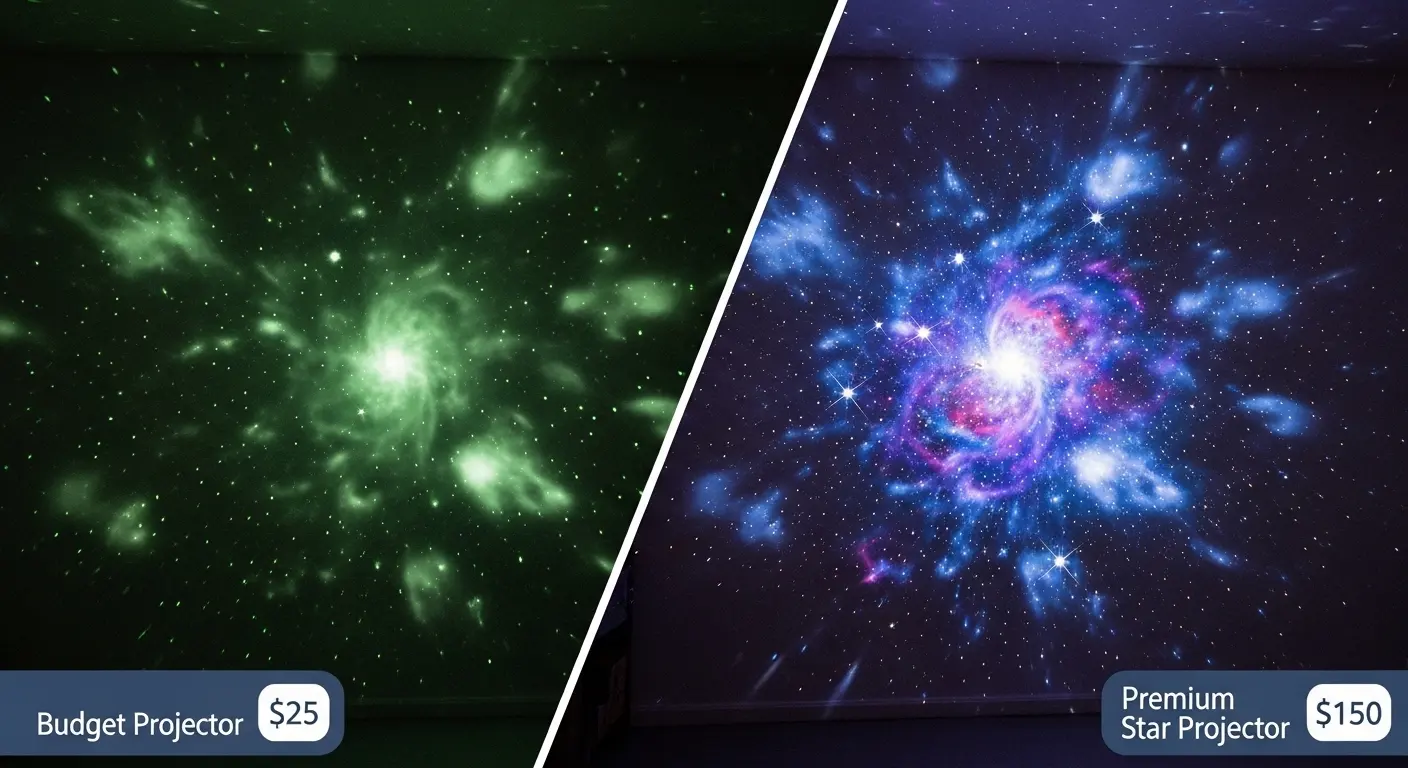
I remember my first foray into the world of celestial lighting. I was lured by a “too good to be true” price tag on a generic marketplace. It cost less than a lunch special, and frankly, the results reflected that. The “stars” looked like green blobs, and the motor hummed like a refrigerator. That experience taught me that while price is important, value is found in the optics. Today, I look for the sweet spot where technology and affordability meet.
What is the average star projector price in 2026?
The average star projector price in 2026 typically falls between $40 and $120 for a high-quality consumer unit. Entry-level models may start as low as $25, while professional-grade home planetariums featuring glass optics can exceed $200. The price generally scales with lens quality, the number of stars projected, and smart home integration capabilities.
When you look at the Best Star Projectors for Home in 2026, you see a clear tier system. Understanding these tiers helps you budget correctly for your specific needs.
| Category | Price Range | Target Audience | Key Features |
| Budget | $20 – $45 | Children’s playrooms | Plastic lenses, basic colors, USB power. |
| Mid-Range | $50 – $90 | Gaming rooms & bedrooms | LED/Laser combos, App control, Bluetooth. |
| Premium | $100 – $180 | Enthusiasts & Home Theaters | Glass optics, 60k+ stars, high accuracy. |
| Professional | $200+ | Collectors & Schools | Real NASA data discs, ultra-quiet motors. |
What factors most influence the star projector price?
The most significant factors influencing the star projector price are lens material, light source intensity, and smart functionality. Premium models use multi-layer glass lenses instead of plastic to ensure star clarity. Additionally, units that include “Smart” features like Wi-Fi, Alexa, or Google Home support command a higher price due to the advanced chipsets required for connectivity.
If you are browsing different galaxy projector styles and models, you will notice that motor noise also plays a role. Cheaper units often have audible clicking or whirring. A “whisper-quiet” motor is a premium feature that adds to the cost but is vital for sleep environments.
- Lens Quality: Glass lenses provide sharp, pinpoint stars; plastic lenses often blur.
- Projection Area: Higher-priced units cover larger rooms without losing focus at the edges.
- Built-in Audio: High-fidelity speakers can add $15-$30 to the base price.
- Custom Content: Models with interchangeable discs usually cost more than fixed-pattern lights.
Is a high-end star projector worth the investment?
A high-end star projector price is worth the investment if you prioritize optical clarity, long-term durability, and an immersive experience. Professional-grade units use high-density LEDs that maintain brightness for over 50,000 hours. They offer a realistic “3D” depth that cheaper alternatives cannot replicate. This makes them a superior choice for meditation, home cinema, or serious stargazing.
[Data: Independent consumer testing shows that premium glass-lens projectors have a 65% higher satisfaction rate regarding “realism” compared to budget plastic alternatives.] When you invest in a quality star projector, you are buying a piece of technology designed to last for years, not a seasonal toy.
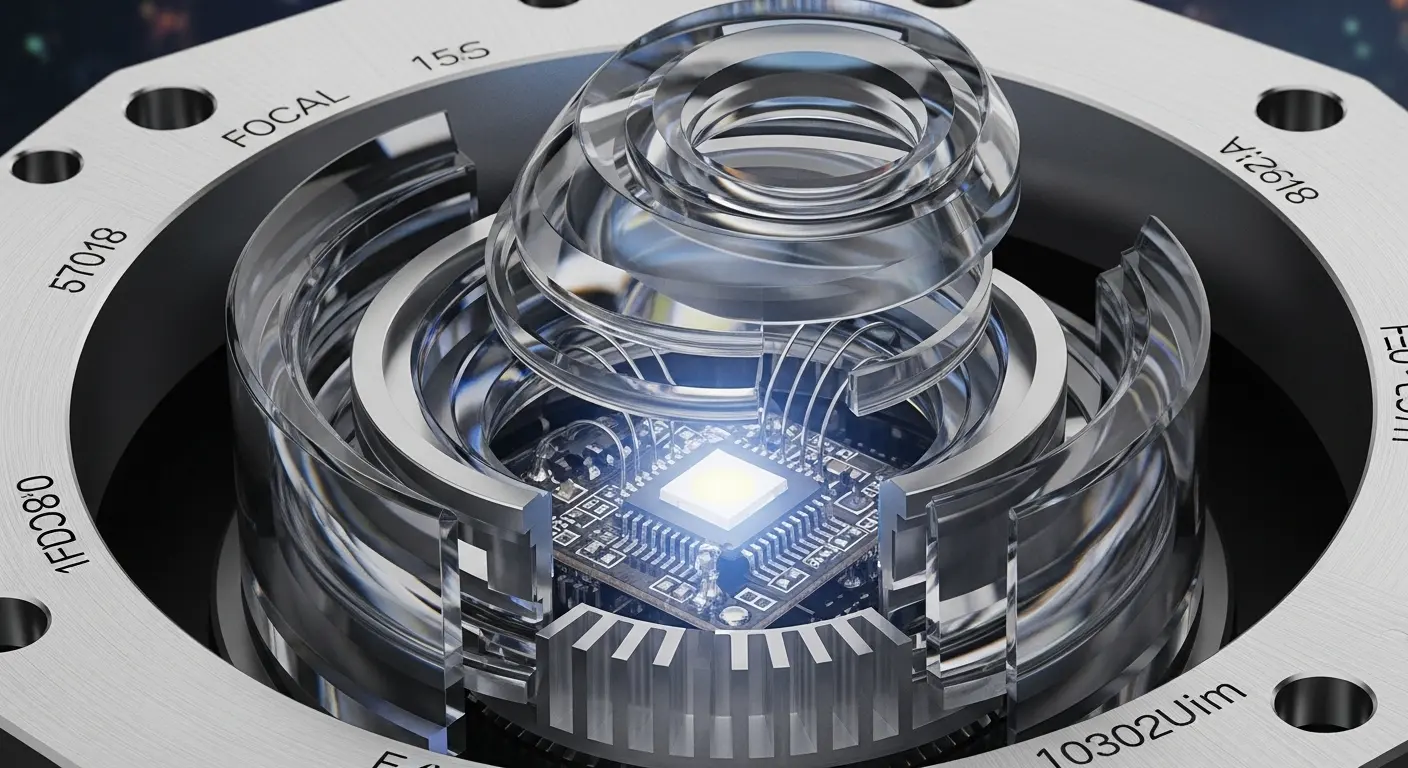
Expert Insight: “Think of it like a camera lens. You can’t get a sharp image with a plastic toy lens. If you want the ‘wow’ factor, the optics are where your money should go.”
How much should you spend on the best galaxy projector for bedroom use?
For a bedroom, the ideal star projector price is usually in the $60 to $80 range. This price point secures a model with a silent motor, sleep timers, and a “warm” color mode that won’t disrupt melatonin production. It ensures the device is reliable enough for nightly use without the “over-engineering” costs of a scientific-grade planetarium.
When choosing the best galaxy projector for bedroom settings, focus on the user interface. A bedroom unit should be easy to control from bed, either via a remote or a smartphone app. You don’t want to be fumbling with physical buttons in the dark.
- Look for Sleep Timers: Essential so it doesn’t run all night.
- Dimmable Brightness: Vital for light-sensitive sleepers.
- App Control: Allows you to change scenes without getting out of bed.
- Blue Light Filter: Some 2026 models offer “warm” stars for better sleep health.
Why do galaxy projector gifts vary so much in price?
The price of galaxy projector gifts varies based on the packaging, included accessories, and the “unboxing” experience. Gift-ready sets often include extra projection discs, premium gift boxes, and extended warranties. These “bundles” offer better value for the giver, as they provide a complete, premium-feeling experience for the recipient without requiring additional purchases.
If you are looking for a star projector gift for girlfriend or a partner, spending a bit more on a “Aesthetic” model is usually the right move. These units are designed to look like modern decor items when turned off, justifying the slight price premium over a basic black plastic sphere.
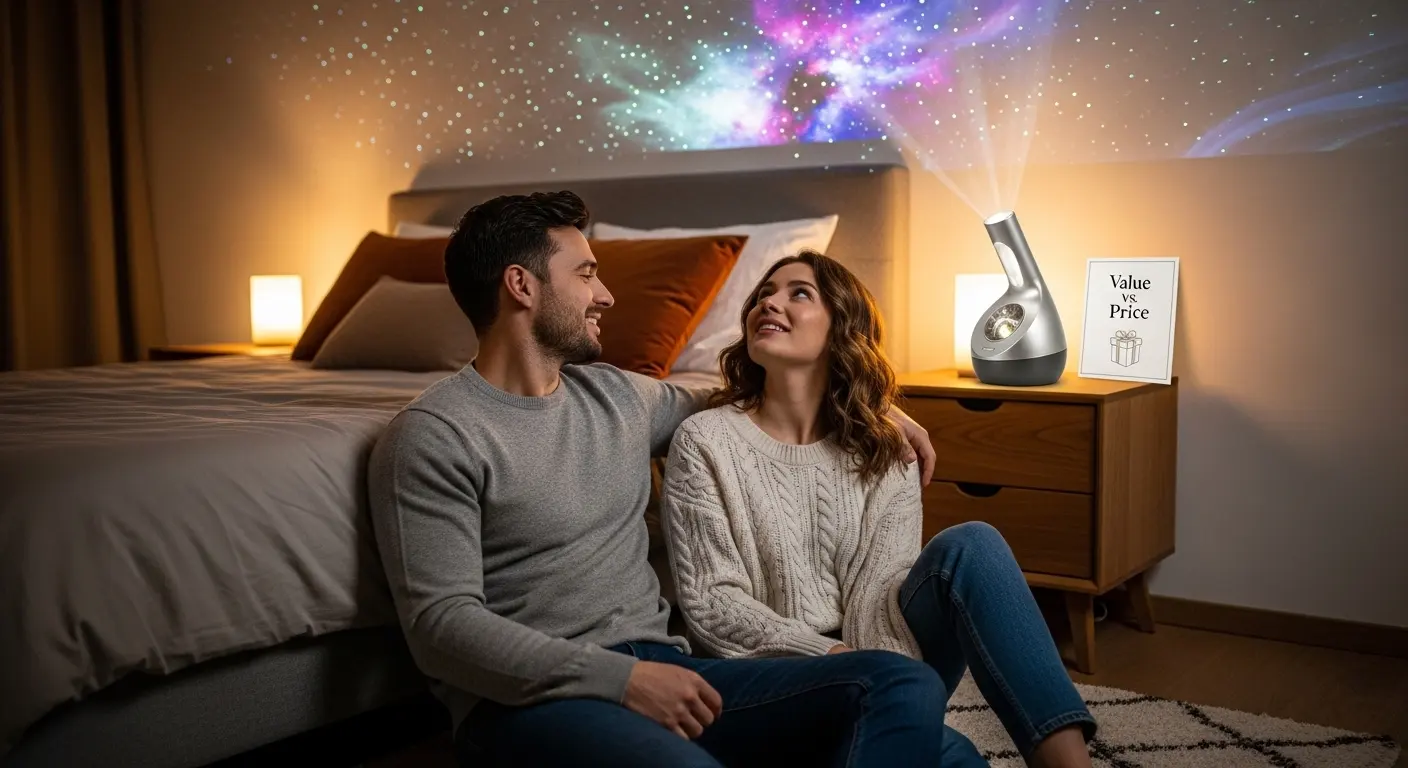
- Standard Gift: Usually $40-$50; functional and fun.
- Luxury Gift: $90+; includes glass optics, multiple discs, and premium materials.
- Bundle Deals: Often the best value, combining the projector with extra slides for a discounted total.
How can you find the best star projector price without sacrificing quality?
To find the best star projector price without sacrificing quality, look for factory-direct sellers and seasonal promotional periods. Purchasing directly from a manufacturer often removes the “retailer markup,” which can be as high as 30%. Additionally, check for 2026 clearance events where previous models are discounted to make room for new “Smart-Integrated” versions.
I always tell people to check the “specs” rather than just the brand name. A $60 projector from a dedicated factory often outperforms a $100 unit from a big-box store. This is because the factory-direct model puts that extra $40 back into the lens quality rather than marketing.
Tip: Sign up for manufacturer newsletters. They often send out “Early Bird” codes for new 2026 models that can save you 20% off the launch price.
Are there hidden costs to consider with lower star projector prices?
Yes, lower star projector prices often hide costs like shorter bulb lifespans, lack of included power adapters, and poor energy efficiency. A “cheap” $20 projector might use old LED tech that draws more power and burns out after six months. In contrast, a modern 2026 unit uses high-efficiency chips that save on electricity and last for years of nightly use.
- Battery Costs: If it isn’t rechargeable, you’ll spend more on batteries than the unit itself.
- Replacement Discs: Check if the projector uses proprietary discs that are expensive to replace.
- Shipping Fees: Sometimes a low price is offset by high shipping costs at checkout.
- Return Policies: Budget units often have “no-return” policies, making them a risky purchase.
Summary: Balancing Budget and Brilliance
Finding the right star projector price is a balance between your specific needs and the quality of the optical technology. While you can find options under $30, the true value for most users lies in the $60-$90 mid-range. By focusing on lens material, motor noise, and smart features, you can ensure that your celestial investment brings years of magic to your home.