Star Projector Factory in China: Meeting 2026’s LED-to-RGB Laser Demand
 FACEBOOK
 TWITTER
 LINKEDIN
Although the star projector factory market in China becomes more accessible to newcomers every day, many of the offers are unreliable. With the cheap price, many customers are willing to try. Market analysis for 2026 shows over 60% of smaller manufacturers are absent of BSCI or WCA certifications.
Buyers often struggle to find the right balance of quality, cost, and design foresight. This article explains the 2026 sourcing landscape, the different types of factories, and shows why Bolang, a long time Star Projector Factory in China, offers the best B2B value.
The 2026 Star Projector Market: Demand and Design Trends
Star Projectors are seeing growth in global demand, but the buying patterns have changed. The top three trends shaping the market in 2026 are:
1) Expectation of Smart Home Integrations
More and more buyers have come to expect their star projectors are voice control compatible (Alexa, Google Home) and allow control over the star projector setting and light patterns using an app. If projectors do not have smart features, they will most likely be a shelf product.
2) Increasing demand for Wellness and Therapeutic Solutions
Demand for projectors in spas, children’s rooms, and medical environments is being driven by more and more research studies on ambient light and its positive effect on the quality of natural sleep. Projectors in these environments need to have color temperature adjustability and no flicker in the projection.
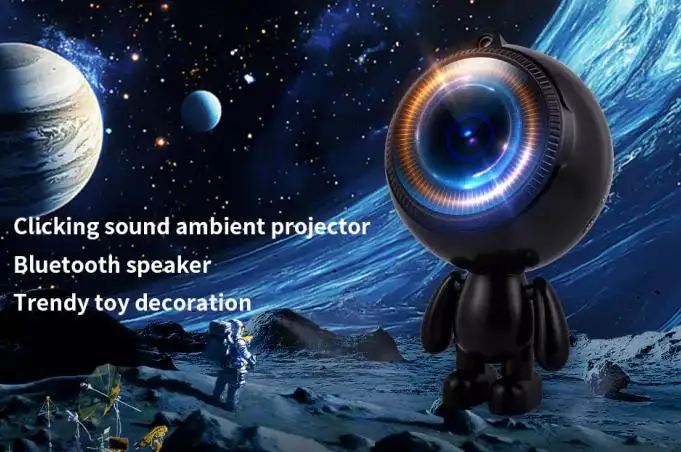
3) Influence of Short-Form Social Media on Product Design
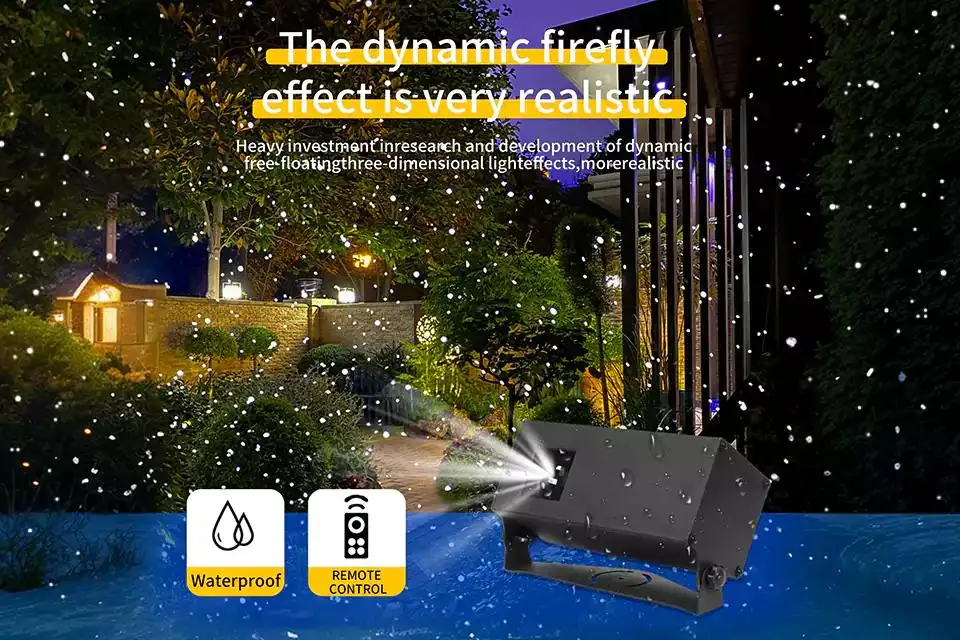
The prominence of visually captivating effects such as dynamic auroras and nebula clouds has resulted in an increase in purchase designs. Factories are required to produce designs that have the capacity for viewing ease not just in-person but through the lens of a camera.
Concurrently, a change is occurring in the technology. Aside from a few, data from Q1 2026 shows that while the total star projectors market expanded at approximately 7% year on year that includes about 19% growth in the segment with RGB laser hybrid light sources. In comparison, LED models are under market pressure, where laser-enhanced projectors are more profitable and last longer.
Insight from Buyers Regarding Current Suppliers
Many of the complaints noted by overseas buyers regarding purchasing from smaller, less established star projector manufacturers are based on the feedback and online reviews from the B2B procurement process on the Alibaba and Global Sources platforms. They are as follows:
1) Problems with Color Consistency
LED-only projectors that employ the three channels of red, green, and blue, suffer production issues of uneven brightness and may burn out.
2) Problems with Regulation Compliance
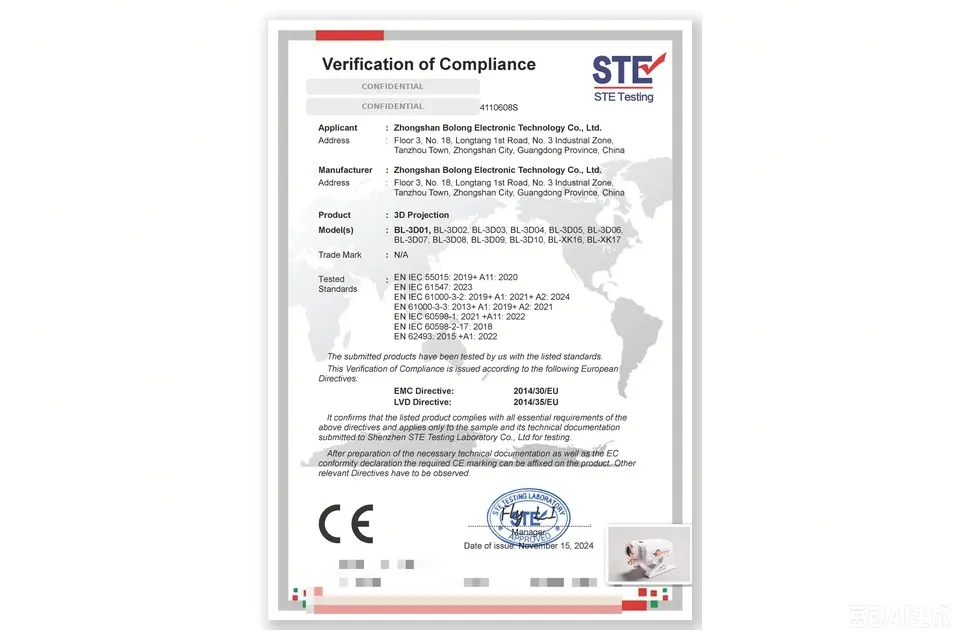
Many of the “manufacturers” on the trading sites are in fact trading companies. Buyers often report delays and seizures in Customs as their items lack the CE, RoHS, and FDA approvals.
3) Prolonged Lead Times and Ineffective Shipping
Inland factories take 10-14 days to transport products to a major seaport. This prolongs the time to stock products on time for peak seasonal sales, such as Christmas or Prime Day.
4) Low or No Customization
Many of the smaller manufacturers can only provide modifications to packaging or to color variations and are not able to modify or change the optical lens designs or the core laser modules.
These concerns stem from the need for a supplier who integrates the R&D, production, and regulatory compliance necessary for satellite laser projectors in order to avoid a fragmented supply chain.
How Different Star Projector Manufacturers Compare
1) Horizontal Comparison (Across Factory Types)
To analyze the competition, we can look at three main supplier types in the Chinese star projector market:
•Trading companies or small assembly shops (20–50 staff): Lowest piece prices (often under $8 FOB), but no in-house engineering to develop lasers. Certifications are usually bought or borrowed. Work is only appropriate for low-volume, quick turn around orders.
•Mid-sized manufacturing (100 to 200 employees) for OEM/ODM: improved certification (CE, RoHS). However, many still rely on external suppliers for laser diodes, meaning reliability from one batch to the next is an issue. Lead times hover around 35–45 days.
•Vertically integrated manufacturers (200+ staff with R&D and supply chain control): own laser module development, optics testing labs, and full assembly lines. Certifications cover BSCI, WCA, FDA, PSE. These factories can customize beam patterns, color mixing ratios, and smart control protocols. Bolang fits this category.
2) Vertical Comparison (Technology Evolution)
The industry is moving from first-generation LED star projectors (single-color, static patterns) to second-generation multi-LED (RGB, limited brightness) and now to third-generation RGB laser hybrid systems. The latter delivers:
•Wider color gamut (exceeding Rec.709 standard)
•Higher lumen efficiency (lower power draw for same brightness)
•Longer lifespan (laser diodes typically outlast LEDs by 5,000–10,000 hours)
Factories that have not invested in laser R&D since before 2020 are now struggling to catch up. Bolang began its semiconductor laser intelligent application research in 2011, giving it a 15-year head start over newer entrants.
Where Bolang Fits as a Star Projector Factory in China
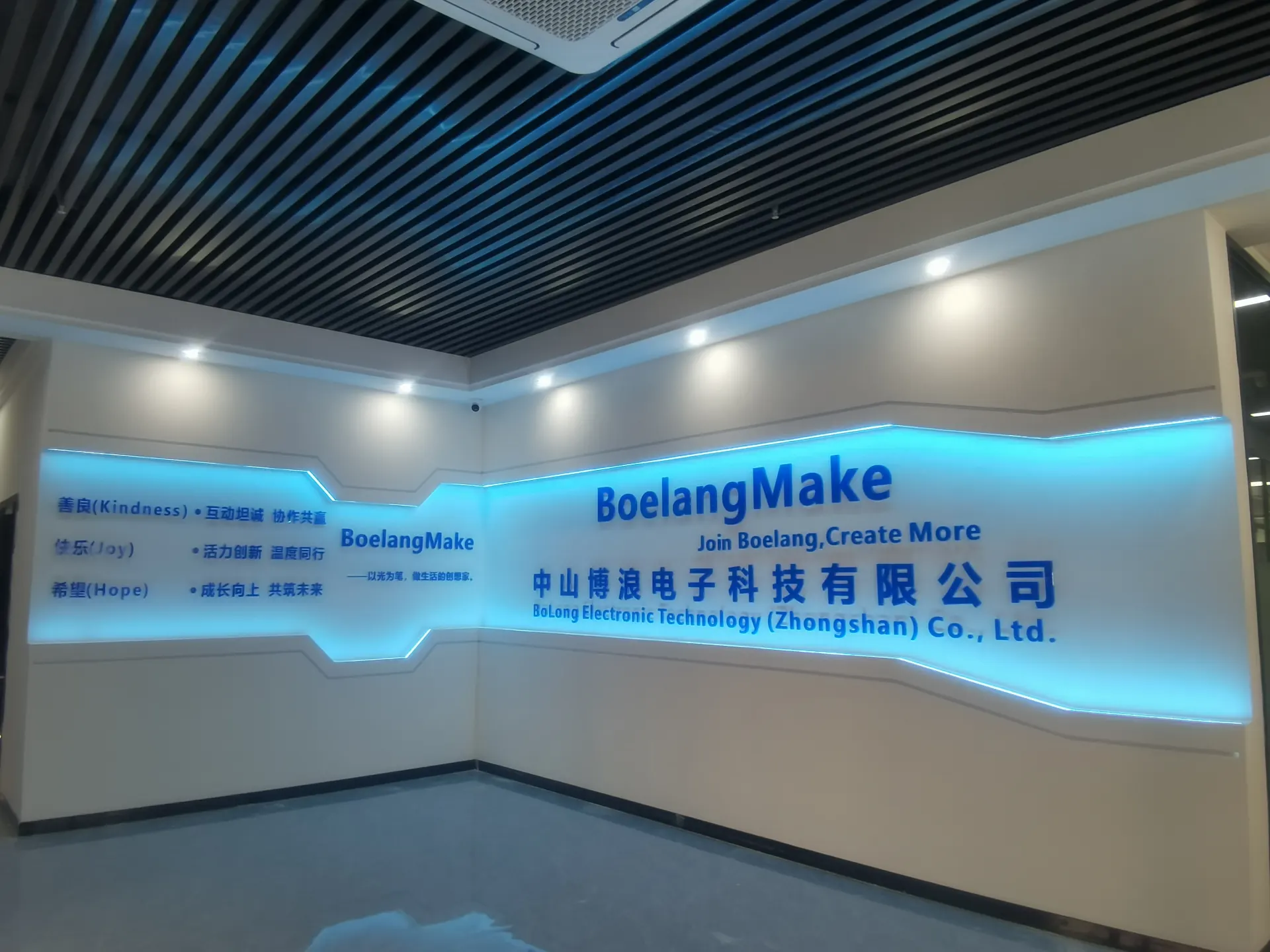
Founded in 2011, Zhongshan Bolang Electronic Technology Co., Ltd. operates from a 5,000-square-meter production base in Tanzhou Town, Zhongshan—strategically located 30 kilometers from Zhuhai Port and adjacent to the Hong Kong-Zhuhai-Macao Bridge. The company’s workforce is over 200 and includes BSCI and WCA certified employees, as well as product-level CE, FDA, TÜV testing, and RoHS/PSE certified employees.
Unlike trading companies, Bolang is a bona fide Star Projector Factory in China with a fully integrated R&D and supply chain. Here’s what that means for overseas customers:
•48h transit time to Southeast Asia by the main highways: The factory is located such that ground transport to Zhuhai Port is quicker than dealing with inland manufacturers.
•Since 2018, a balanced offline B2B and an online B2C experience: Having cross-border B2B and a national B2C that account for half the revenue means that Bolang is well-positioned to understand the design preferences of end users and volume purchaser.
•Full-spectrum laser-LED hybrid engineering: Product portfolio includes home decor ambient starry sky projectors, urban landscape lighting, laser stage applications, and hotel solutions—all using the next-generation color gamut of RGB laser hybrid light sources.
•Complete OEM/ODM customization: Buyers can modify beam angles, pattern discs, smart control protocols (Wi-Fi/Bluetooth/IR), and even laser power output within regulatory limits.
Key Value for Overseas Buyers
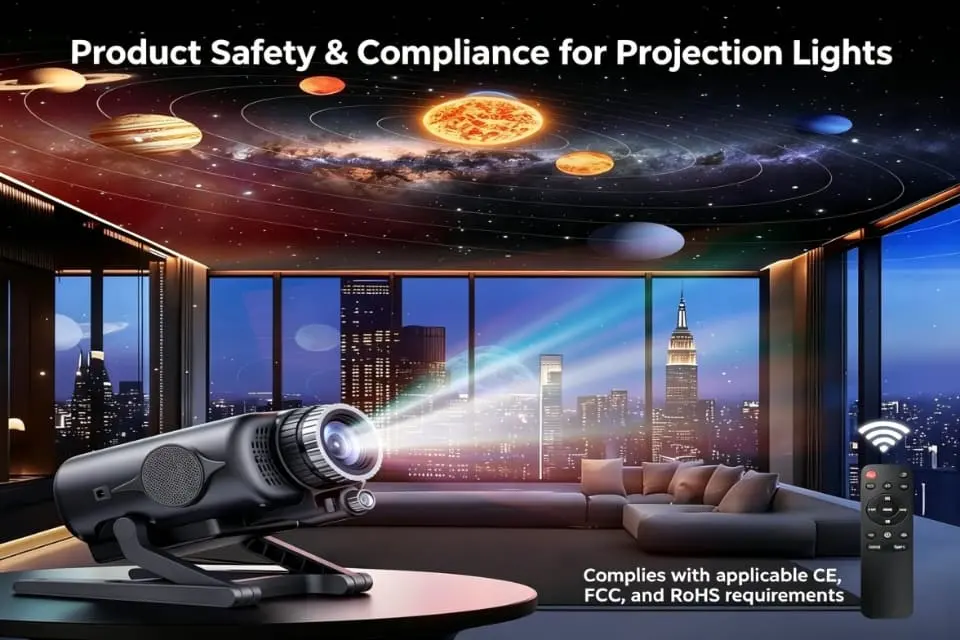
•Certification readiness for global markets: Every product line carries CE, FDA, RoHS, and PSE marks, reducing your compliance risk and customs clearance time.
•Scalable production with consistent yield: The facility grows to 5,000 square meters, and 200+ staff support 50,000+ units monthly. BSCI working conditions are maintained.
•Responsive design for 2026 buying trends: Bolang’s R&D team snaps up smart home chipsets (Tuya, eWeLink), and they are finishing up work on the projection with optimized effects for social media video draw.
Closing: Find the Right Star Projector Factory in China
For B2B buyers developing their 2026–2027 lines, the choice is not where to get the lowest factory price. It is about looking for a Star Projector Factory in China that will give them certified, assured, and flexible laser-LED hybrid projectors, while knowing the limitations of cross-border trade. Bolang provides a convincing offer: fifteen years of experience in the laser field, total vertical integration, and a factory built to serve the fast export of goods to the Asia-Pacific region.
Those wishing to arrange a factory audit/visit or to understand the possibilities from the OEM side should contact Bolang via the B2B portals.
FAQs
Q: What certifications should I look for when choosing a Star Projector Factory in China?
A: BSCI, WCA, CE, RoHS, FDA, and PSE are the certifications which help with customs and expand reach to the global market.
Q: Can Bolang produce star projectors that I designed with a particular idea in mind?
A: Absolutely! They can accommodate you as they stated that every request is possible using their fully customized options with their OEM/ODM for the beam with smart control and Lasers.
Q: For large quantity orders, what is the approximate time you rely on to receive your products?
A: Usually, the lead time is within the range of 30–45 days; there are certain models that can be dispatched to the ports in Southeast Asia in 48 hours.
Q: Is it possible to place a small order first and then a large order?
A: Yes. You can place order samples and small-MOQ orders.
Q: What is the difference between RGB lasers and LEDs when considering star projectors?
A: RGB lasers have a broader spectrum and greater brightness when compared to the original LED systems.