The Ultimate 2026 Guide to the Best Home Planetarium Projector
 FACEBOOK
 TWITTER
 LINKEDIN
Finding the perfect home planetarium projector can turn a mundane ceiling into a breathtaking cosmic journey. These advanced optical devices bring the majesty of the Milky Way, distant nebulae, and high-definition constellations directly into your living space. In 2026, technology has advanced so far that these projectors now offer scientific accuracy alongside stunning visual artistry for users of all ages.
I remember the first time I set up a high-end planetarium unit in my attic office. I had spent hours staring at screens and felt completely drained. The moment the room went dark and 60,000 stars shimmered overhead, my heart rate slowed. It wasn’t just a “light show.” It felt like a deep breath for the soul. That experience transformed my view on how we use light to heal and inspire at home.
What is a home planetarium projector?
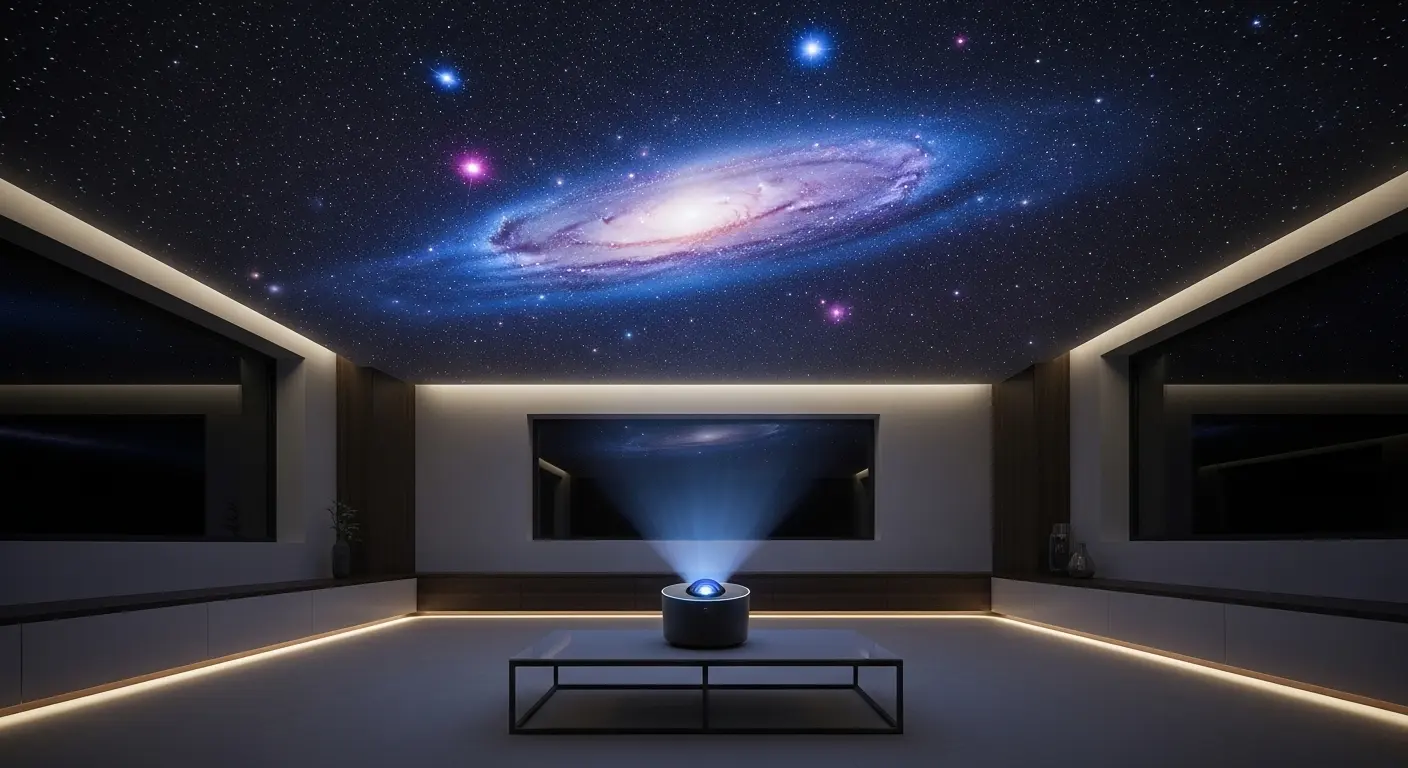
A home planetarium projector is a high-precision optical device that uses ultra-bright LEDs and interchangeable discs to project realistic maps of the night sky. Unlike basic “star lights,” these units focus on astronomical accuracy. They allow you to view specific constellations, the Northern Lights, or the lunar surface in vivid, high-definition detail on your walls or ceiling.
This technology has evolved rapidly. While older models often relied on simple perforated shells, the Best Star Projectors for Home in 2026 utilize professional-grade glass lenses. These lenses ensure that every pinpoint of light remains sharp, even at the edges of the projection.
- Scientific Accuracy: Maps based on real NASA data.
- Optics: Multi-layer glass lenses for edge-to-edge clarity.
- Variety: Interchangeable discs for different celestial events.
- Immersion: Quiet rotation motors that mimic the Earth’s movement.
How does a home planetarium projector differ from a galaxy projector?
The primary difference lies in the goal: a home planetarium projector focuses on scientific realism and astronomical accuracy, whereas a galaxy projector prioritizes colorful, artistic effects like moving nebulae and laser stars. Planetariums use high-definition slides to recreate the actual night sky, while galaxy projectors create a “vibe” or ambient lighting atmosphere.
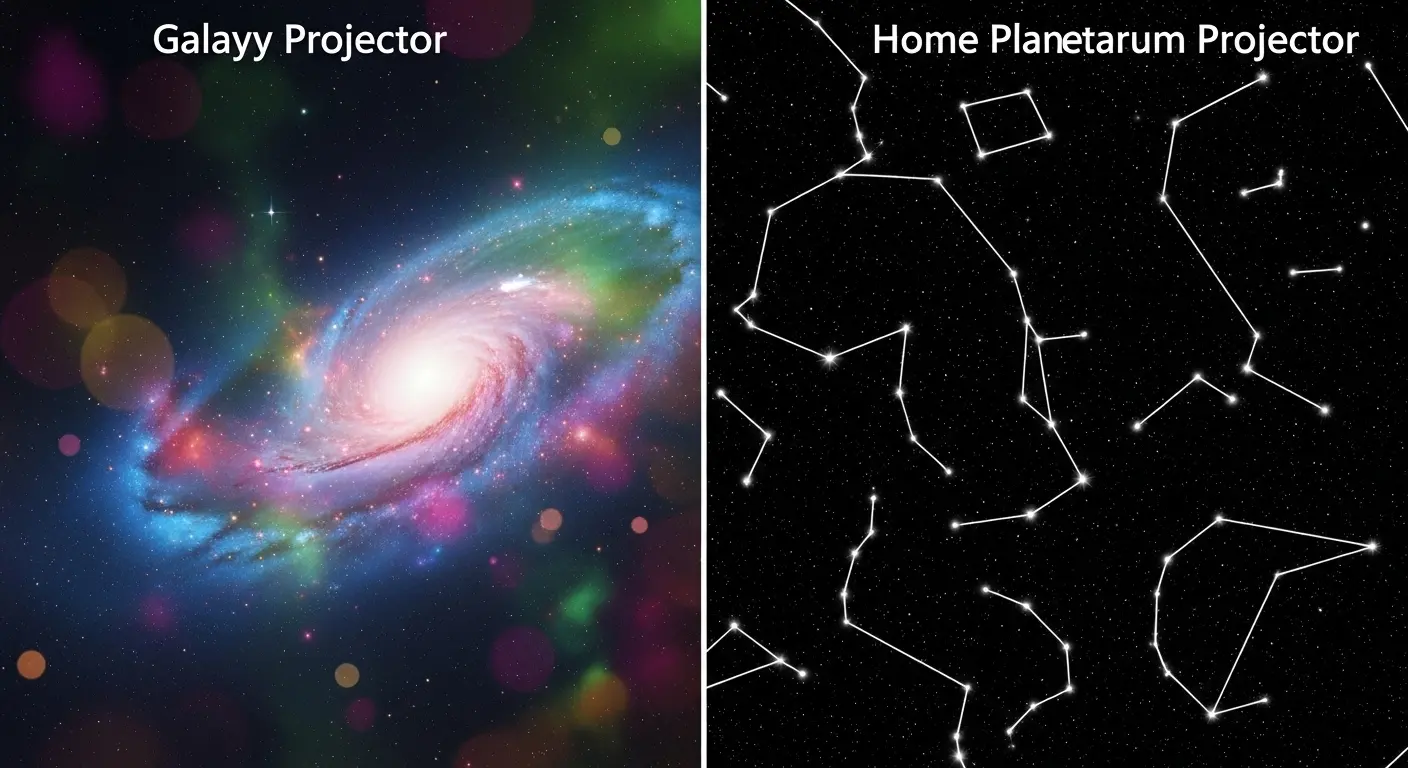
To help you decide which is right for your space, here is a direct comparison of their capabilities:
| Feature | Home Planetarium Projector | Galaxy Projector |
| Primary Goal | Educational & Realistic Stargazing | Atmospheric & Aesthetic Lighting |
| Light Source | High-Intensity LED with Optics | LED Clouds + Laser Points |
| Visual Content | Real Constellations & Star Maps | Abstract Nebula & Colorful Swirls |
| Adjustability | Focusable Lenses for Sharpness | Fixed Focus for General Glow |
| Best For | Science Lovers, Meditation, Study | Parties, Kids’ Rooms, Gaming |
What are the main benefits of owning a home planetarium projector?
A home planetarium projector offers significant benefits for mental health, education, and interior design. It reduces stress by providing a calming focal point for meditation. For students, it serves as a hands-on tool for learning astronomy. Additionally, it elevates home aesthetics by providing sophisticated, customizable lighting that adapts to any mood or occasion.
Research suggests that looking at stars triggers a sense of “awe,” which can lower cortisol levels. According to data from the Global Wellness Institute, environmental lighting is a top factor in sleep quality. By replacing blue-light screens with the soft glow of a distant galaxy, you prepare your brain for a deeper, more restorative rest.
Expert Insight: “A planetarium projector isn’t just a gadget; it’s a cognitive reset button. It forces the eyes to focus on infinity, which naturally relaxes the ocular muscles and the mind.”
Can you use a home planetarium projector for a home theater?
Yes, a home planetarium projector is an excellent addition to a home theater setup. It provides immersive “sky-box” lighting that mimics the feel of an outdoor cinema. Many enthusiasts use a home theater star projector to provide ambient light that doesn’t wash out the screen, creating a premium, cinematic atmosphere.
When designing your space, consider how home theater lighting affects your viewing experience. A planetarium unit can be set to a dim, slow-rotating star field that stays on during the movie. This adds depth to the room without distracting from the film.
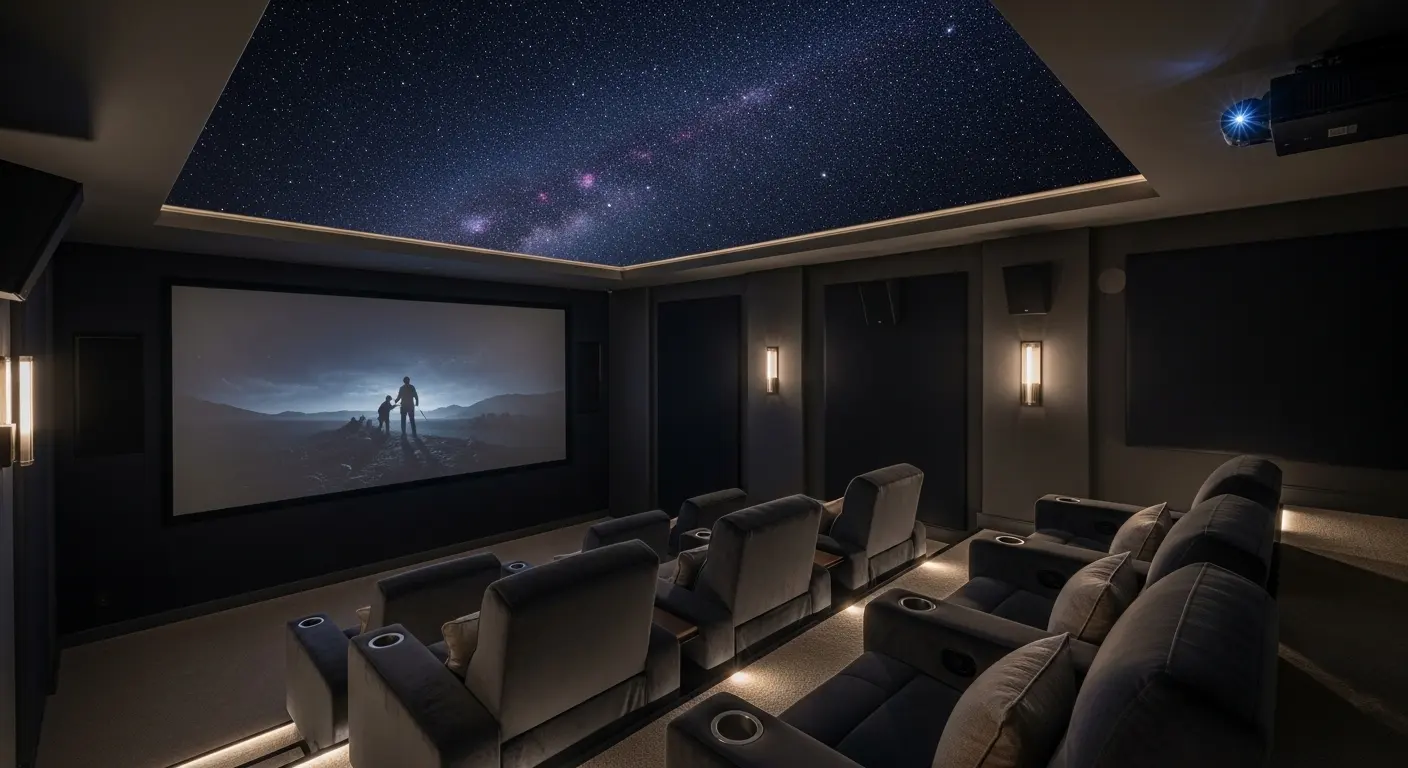
- Zero Glare: High-end models allow you to angle the light away from the screen.
- Thematic Synergy: Perfect for sci-fi marathons or space documentaries.
- Sophistication: Moves your theater beyond simple LED strips into professional design.
How do you choose the best home planetarium projector for your needs?
To choose the best home planetarium projector, prioritize lens quality, the number of projected stars, and the availability of expansion discs. Ensure the device has a “focus ring” to adjust for your ceiling height. Also, look for silent rotation and auto-off timers if you plan to use it as a sleep aid.
When I was testing models for Bolangmake, I found that the “Focus Factor” was the biggest deal-breaker. A projector without a focus ring is essentially a toy. In 2026, the best units project at least 60,000 individual stars. Anything less feels like a cluster of dots rather than a real sky.
- Check the Star Count: 60k is the gold standard for 2026.
- Evaluate Lens Material: Demand glass over plastic for longevity and clarity.
- Verify the Timer: Essential for those who fall asleep under the stars.
- Disc Availability: Can you buy more slides later to keep the experience fresh?
What are the best placement strategies for a realistic sky?
For the most realistic effect, place the home planetarium projector in the center of the room at a height of about 3 to 5 feet. Avoid corners, as this can distort the constellations. Ensure the room is as dark as possible, as light pollution from windows or hallways will significantly reduce the contrast and “pop” of the stars.
I’ve seen many people put their projector on a high shelf tucked in a corner. This is a mistake. The angles cause the stars on the far side of the room to look like blurry footballs. By placing it centrally—perhaps on a coffee table or a dedicated pedestal—the “dome” effect is perfectly symmetrical, just like a real planetarium.
How does the galaxy projector for home theater improve the movie experience?
Using a galaxy projector for home theater creates a “surround-sight” experience that complements surround-sound audio. It fills the peripheral vision with soft, moving colors that make the room feel infinite. This reduces eye strain by providing a low-contrast background, making the bright colors on your TV or projector screen feel less jarring.
Tip: If your movie has a dark, moody palette, set your planetarium to a “Deep Space” disc with minimal nebulae. For bright, animated films, a more colorful “Orion Nebula” disc works beautifully.
Is a home planetarium projector safe for long-term use?
Modern home planetarium projectors are very safe, as they use low-heat LEDs and Class 1 light sources that do not damage the eyes under normal viewing conditions. They are designed for hours of continuous use. However, it is always recommended to use the auto-timer feature to prolong the lifespan of the LED bulb and the motor.
In terms of build quality, the 2026 standards require much better heat dissipation than older models. You no longer have to worry about the unit getting hot to the touch. This makes them perfectly safe for a child’s nightstand or a bookshelf.
What maintenance does a planetarium projector require?
Maintenance for a home planetarium projector is minimal, primarily involving dusting the lens and keeping the projection discs clean. Use a microfiber cloth for the lens to avoid scratches. Every few months, check the rotation motor by listening for any clicking sounds, which might indicate dust buildup in the gear system.
- Lens Care: Never use harsh chemicals; a dry microfiber cloth is best.
- Disc Storage: Keep expansion discs in their protective sleeves to avoid fingerprints.
- Power: Use the provided USB-C cable to ensure stable voltage and prevent motor stutter.
Are home planetarium projectors worth the price?
Yes, a home planetarium projector is worth the investment because it replaces multiple devices: a nightlight, an educational tool, and a high-end decor piece. While the initial cost is higher than a toy, the durability and visual quality provide years of value. For those who value sleep hygiene and home aesthetics, it is a “must-have” tech item.
Data shows that high-quality optical projectors hold their value much better than cheap plastic alternatives. In 2026, the ability to “escape” digital stress at home is a luxury that more people are prioritizing.
Summary: Elevating Your Home to the Stars
Choosing a home planetarium projector is about more than just lighting; it is about creating a sanctuary. Whether you are enhancing a home theater star projector setup or looking for the perfect sleep aid, the right optics make all the difference. By focusing on scientific accuracy and lens quality, you can bring the infinite beauty of the universe into the comfort of your home.