Can Galaxy Light Projectors Help With Insomnia? A 2026 Guide
 FACEBOOK
 TWITTER
 LINKEDIN
Millions of people around the world struggle with insomnia — difficulty falling asleep, staying asleep, or waking up feeling refreshed. Modern lifestyles, constant screen exposure, stress, and busy schedules all contribute to disrupted sleep patterns. As sleep quality becomes a major focus for health and well-being, people are exploring new ways to create restful bedroom environments. One intriguing solution gaining popularity is the galaxy light projector — a device that fills rooms with drifting nebulae, twinkling stars, and soft ambient light.
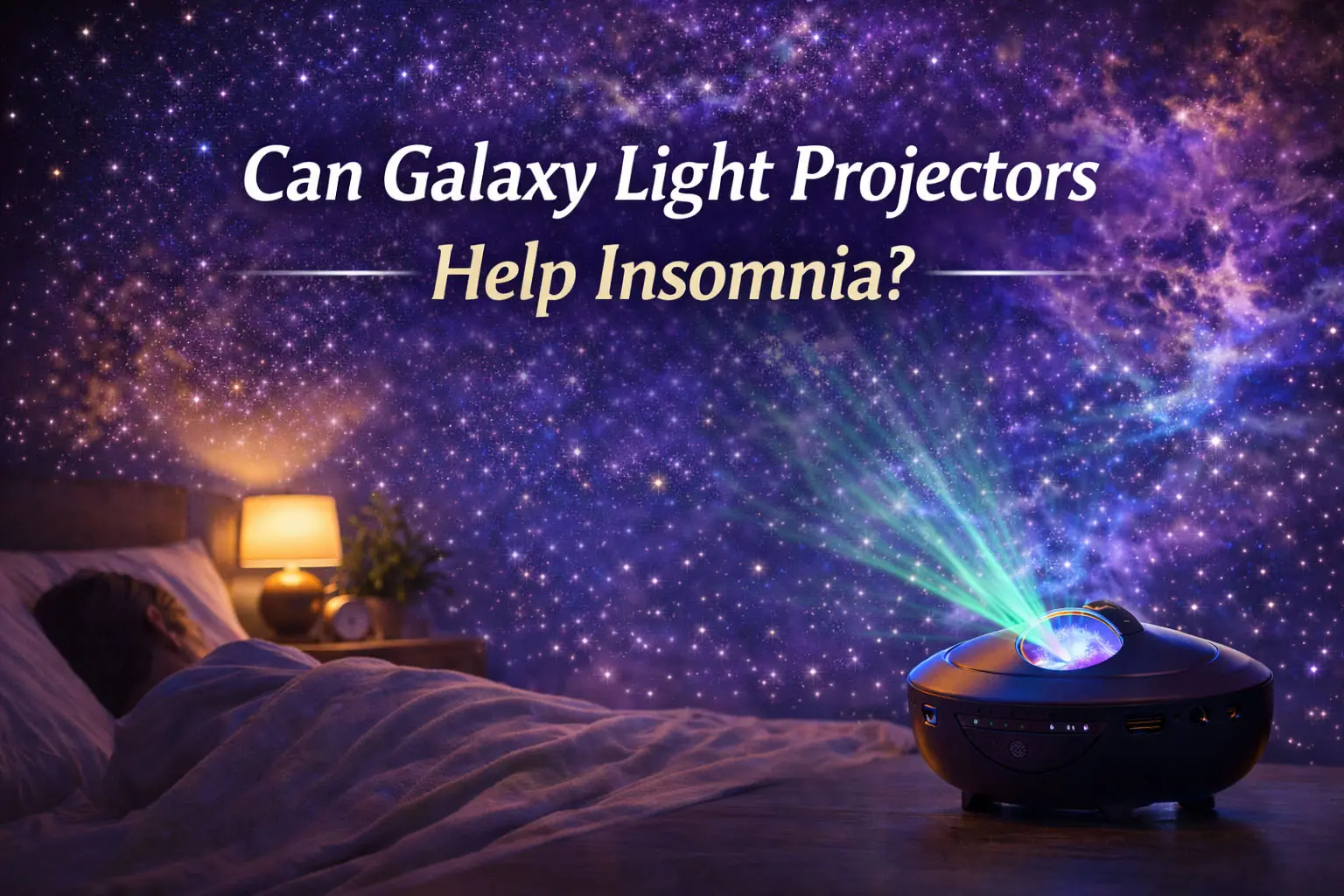
But can a galaxy projector really help with insomnia? In this guide, we’ll explore the science behind light and sleep, how starry projections affect the nervous system, real user feedback, and practical ways to use galaxy lighting to support better rest — whether you live in cities like New York, London, Singapore, or Sydney.
What Is a Galaxy Light Projector?
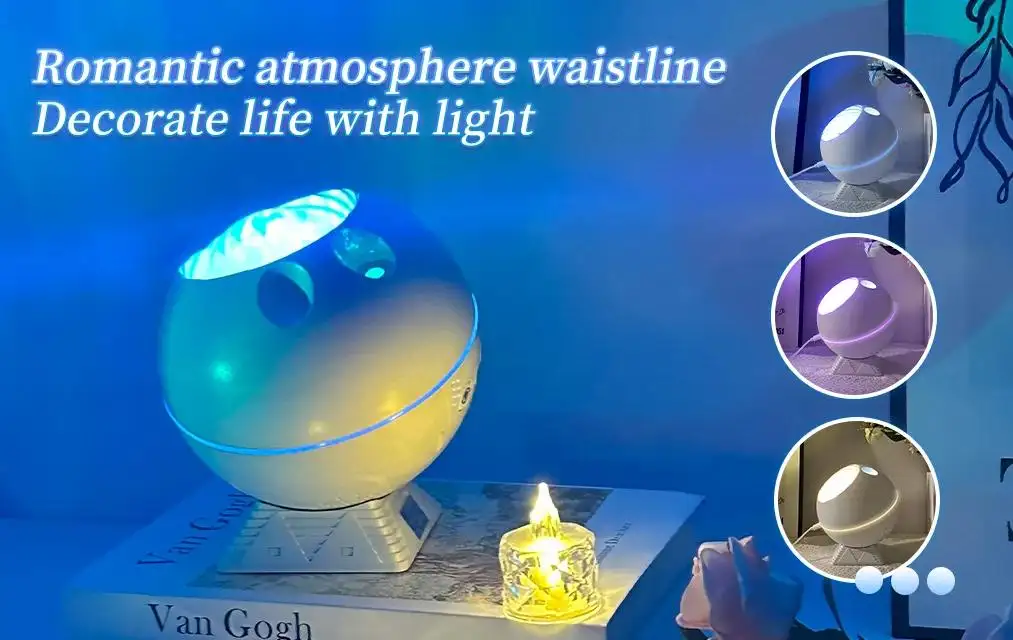
A galaxy light projector — also known as a star projector or nebula light — is a device that uses LED lights and optical projection to cast patterns of stars, nebula clouds, and cosmic hues onto ceilings and walls. Unlike static night lights, galaxy projectors create dynamic visual experiences with soft motion, color transitions, and immersive visuals that resemble a gentle night sky.
These devices have become popular not just for décor but also as tools for creating calming ambiences that aid relaxation, meditation, stress relief, and potentially sleep support.
The Connection Between Light and Sleep
Sleep is driven by an internal circadian rhythm — a 24-hour biological clock regulated by light exposure. The body produces melatonin, a hormone that signals when it’s time to sleep, in response to decreasing light levels. Bright or harsh lighting — especially blue light from screens — suppresses melatonin production and can delay sleep onset.
Galaxy projectors differ from bright overhead lamps and electronic screens. They emit diffuse, gentle light that mimics nighttime hues instead of stimulating the brain. By slowly changing colors and patterns, star projections create an environment that reduces sensory stress and encourages relaxation — the first step toward falling asleep.
While galaxy projectors are not medical devices, their ability to shape your bedroom lighting can make the space more conducive to sleep — an important factor for people experiencing mild insomnia or difficulty unwinding at night.
How Galaxy Projectors May Help with Insomnia
1. Creating a Calming Environment
For many people, insomnia isn’t just physical — it’s psychological. Racing thoughts, anxiety, and sensory overstimulation make it hard to relax. A galaxy projector’s soft light provides a calming visual anchor that captures attention without overwhelming the senses. This soothing focus helps some sleepers reduce nighttime stress and mental chatter.
2. Reducing Screen Time Before Bed
Modern insomnia is often worsened by exposure to blue light from phones, tablets, and computers. Galaxy projectors provide ambient light that is far less intense and more sleep-friendly than digital screens, making it easier to avoid habits that interfere with melatonin production.
3. Supporting Consistent Bedtime Rituals
Establishing a nightly routine is one of the most effective tools for combating sleep difficulties. Using a galaxy projector as part of your pre-sleep ritual — along with winding down activities like reading or gentle stretches — helps signal to your brain that bedtime is approaching. Over time, this conditioning can improve sleep onset.
4. Engaging the Senses in a Non-Stimulating Way
Unlike TV or bright night lights, galaxy projectors engage the visual system gently. The soft motion of stars and nebula clouds creates a low-stress focal point that encourages the nervous system to shift toward relaxation — a valuable psychological trigger for sleep readiness.
What the Research Says
Although galaxy projectors themselves haven’t been the subject of clinical sleep studies, research on light and sleep offers relevant insights:
-
Melatonin and Light: Exposure to bright blue light suppresses melatonin production, but low-intensity warm lighting has minimal interference with sleep hormones.
-
Calming Ambiences: Sleep specialists recommend soft, warm lighting in bedrooms to help prepare the body for rest.
-
Visual Focus and Relaxation: Gentler visual stimulation — like slow moving patterns — can reduce stress and distract from overactive thoughts that keep people awake.
Together, these findings suggest that ambient lighting — such as that provided by a galaxy projector — may help your body and mind transition into sleep more smoothly when used thoughtfully.
Practical Tips for Using a Galaxy Projector to Aid Sleep
Here are some recommendations to get the best sleep-friendly use out of your galaxy projector:
⏱ 1. Start Before Bedtime
Turn on the projector 20–40 minutes before you plan to sleep. This gives your body time to relax and your nervous system time to settle.
🌈 2. Choose Warm Color Schemes
Soft warm colors — such as amber, soft purple, and deep blue — are more conducive to relaxation than bright whites or strong cool blues that might be energizing.
⏱ 3. Use Timer Features
Most modern galaxy projectors come with timers. Use these to automatically shut off the lights once you’re asleep, preserving power and preventing continuous light during deep sleep cycles.
📵 4. Limit Other Light Sources
Avoid overhead or bright lighting after starting your relaxation routine. Let the galaxy projector be the dominant light source so the environment feels gentle and calming.
🎧 5. Combine with Relaxation Practices
Pairing the visual experience with relaxing music, meditation, or deep breathing exercises can further enhance the sleep-promoting atmosphere.
Real User Experiences
Many people report that using a galaxy projector as part of their bedtime routine helps quiet the mind and reduce sleeplessness. Users describe benefits such as:
-
Falling asleep faster
-
Feeling more relaxed at night
-
Reduced anxiety around bedtime
-
Less dependency on bright night lights
-
Enjoying a peaceful visual focus instead of screen exposure
While individuals’ results may vary, these anecdotal accounts reflect the potential for ambient lighting to influence sleep quality positively.
Who Can Benefit Most
Galaxy projectors can be especially helpful for:
-
Mild insomnia sufferers
-
People with busy or stressful daily schedules
-
Anyone trying to reduce screen time before bed
-
Children who fear darkness
-
Adults seeking better sleep routines
However, if someone experiences severe, chronic insomnia, it’s important to consult with a medical professional, as lighting adjustments alone may not be sufficient.
Choosing the Right Galaxy Projector for Sleep
Not all projectors are created equal. When selecting a sleep-friendly model, look for:
-
Soft, adjustable brightness
-
Warm color options
-
Timer features
-
Quiet operation
-
Smooth motion effects
These features ensure the projector supports relaxation rather than overstimulation.
Final Thoughts: Galaxy Projectors as Sleep Aids
Galaxy projectors aren’t a cure for insomnia, but when thoughtfully integrated into your bedtime environment, they can play a supportive role in improving sleep quality. By replacing harsh lighting with soft ambient visuals, reducing screen exposure, and helping condition your body for rest, these devices become more than décor — they become a sleep-friendly companion.
Whether you live in urban centers like San Francisco, London, Tokyo, or Sydney, using a galaxy projector can help create a peaceful, calming bedroom environment that encourages restful nights and better well-being.